
Changing Careers
Changing Careers guides on Career Atlas HQ.

Your Plan for Changing Careers to Culinary Arts
Switching into culinary arts from another career usually takes 12 to 24 months from first research to a stable paid kitchen job, and most of that time can be spent while you are still drawing your current salary. The entry route is shorter than people expect — the U.S. Bureau of Labor Statistics (2025) lists typical entry-level education for chefs and head cooks as a high school diploma or equivalent, plus five years or more of work experience in a related occupation — but the pay structure at the bottom of a brigade is unforgiving, and that is where most career changers come unstuck.
Desmond Okafor · 11 min read
Personal Trainer vs. Massage Therapist: Which Career Change Is Right for You
Both careers let you leave a desk, work hands-on with people, and build a book of repeat clients without a four-year degree. The difference is the gate: massage therapy usually means an approved program and a licensing exam before you touch a paying client, while personal training usually means a certification plus CPR, first aid and AED cards (U.S. Bureau of Labor Statistics, 2025).
Priya Chandrasekaran · 7 min read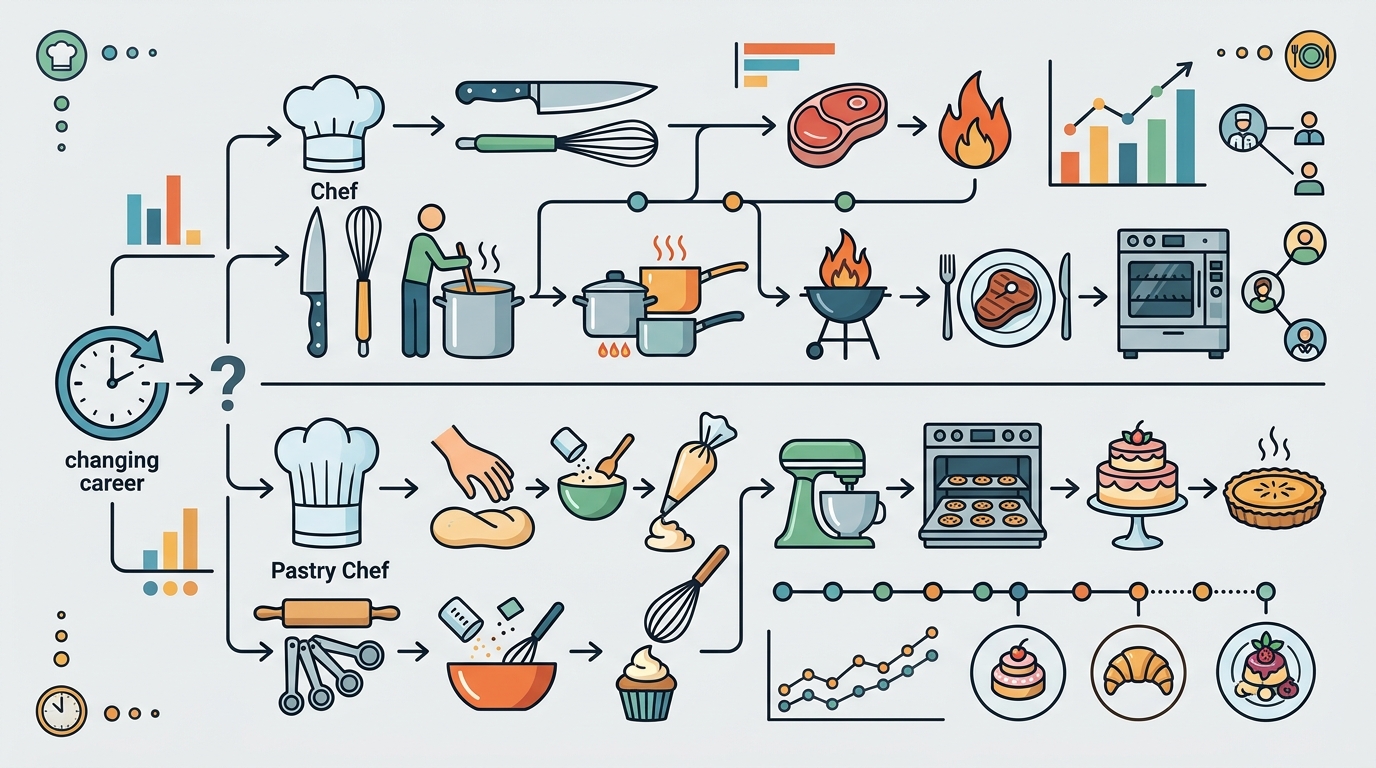
Chef vs. Pastry Chef: A Second-Career Comparison
Switching into a professional kitchen later in life usually means picking between the savoury line, which leads to chef and head cook roles, and the pastry side, which you normally enter through baking. The savoury route pays more — the U.S. Bureau of Labor Statistics put the median for chefs and head cooks at $62,470 a year in May 2025 — but typically asks for five years or more of related experience before you hold the title. Baking starts faster, with no formal educational credential required, though the median for bakers was $36,650 in May 2024 (U.S. Bureau of Labor Statistics).
Wyatt Holloway · 9 min read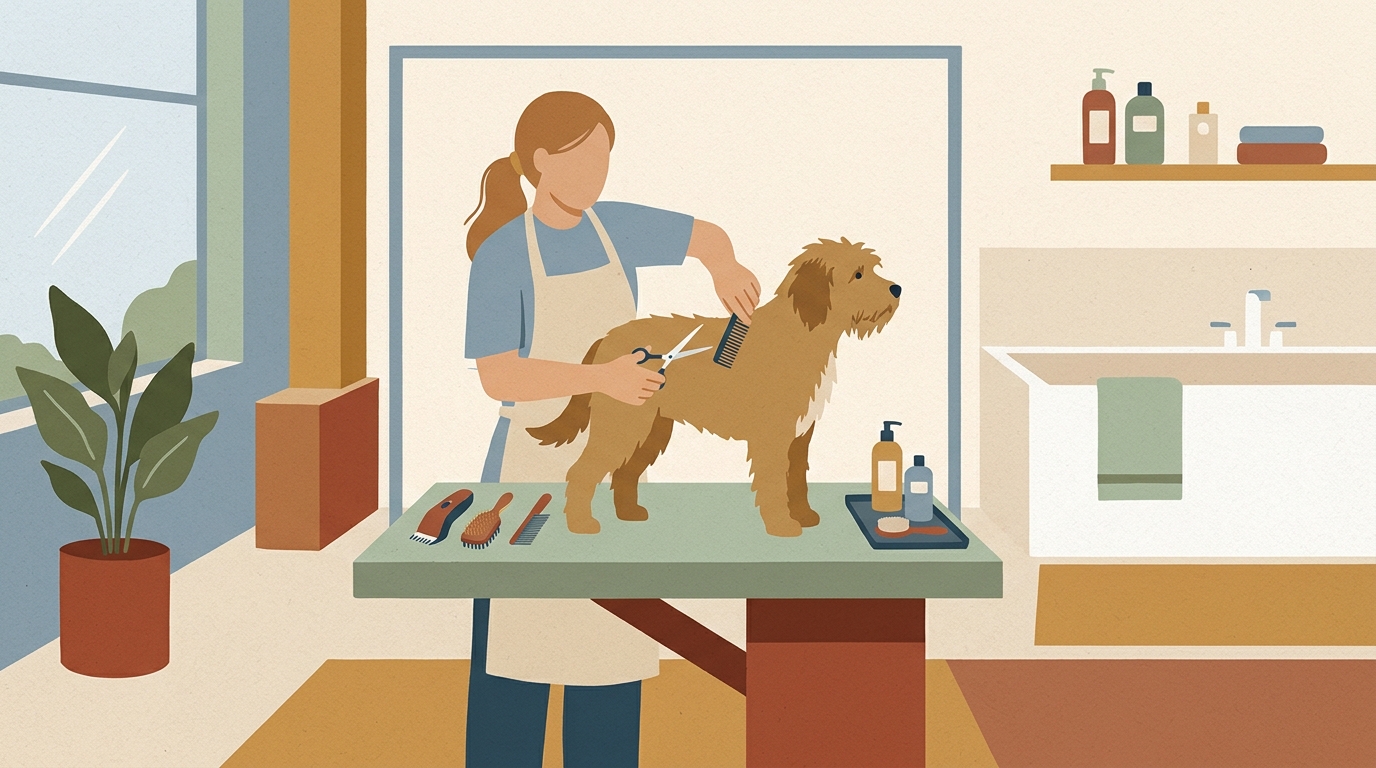
Is Becoming a Dog Groomer a Good Career Change?
Dog grooming is one of the few skilled trades you can enter in your forties, fifties or later without a degree or a long apprenticeship. ONET classifies the Animal Caretakers occupation — which covers reported job titles including Dog Groomer, Pet Groomer, Pet Stylist and Dog Bather — in Job Zone 1-2, "Very Little to Some Preparation Needed", usually requiring a high school diploma or GED, with on-the-job training ranging from a few days to one year (ONET OnLine, U.S. Department of Labor, undated).
Wyatt Holloway · 10 min read
How to Switch to a Career in Interpreting and Translation, Step by Step
Switching into interpreting or translation from another career usually takes 18 months to three years from first research to working full time, and most of that is unpaid practice and credential testing done around your existing job. The costs are real but bounded: the American Translators Association lists its certification exam at $525 (ATA, undated), the Chartered Institute of Linguists prices a full DipTrans entry at £895 (CIOL, undated), and NAATI lists its Certified Translator test at $605 per direction (NAATI, undated).
Marisol Tanaka-Reyes · 10 min read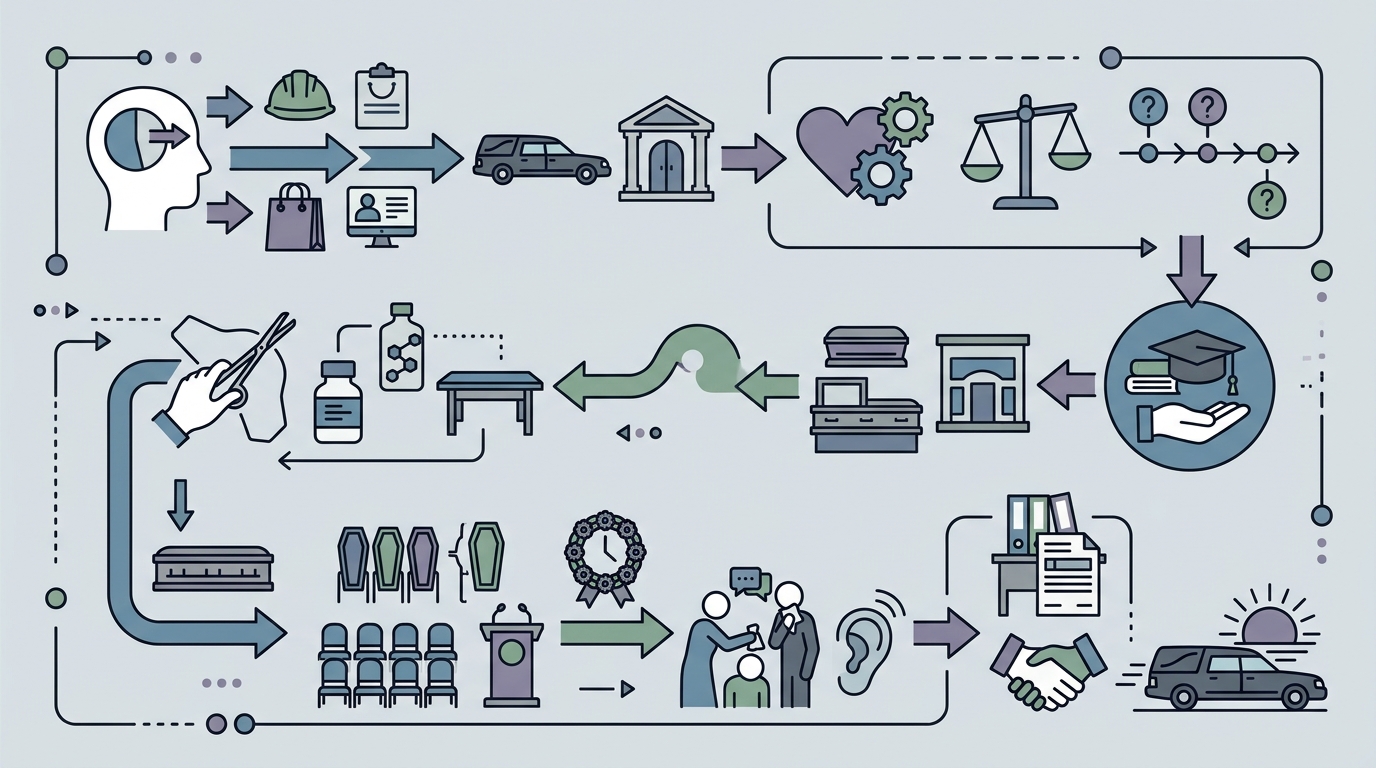
Switching Careers to Funeral Service: What You Need to Know
Funeral service is one of the few licensed caring professions that regularly takes people in their forties, fifties and sixties, because the work rewards composure and life experience more than youth. For most career changers the realistic path runs two to four years: a mortuary science qualification, a supervised internship under a licensed funeral director, and a licensing exam set by your state or country.
Noor Abdallah · 8 min read