
How to Get Started
How to Get Started guides on Career Atlas HQ.
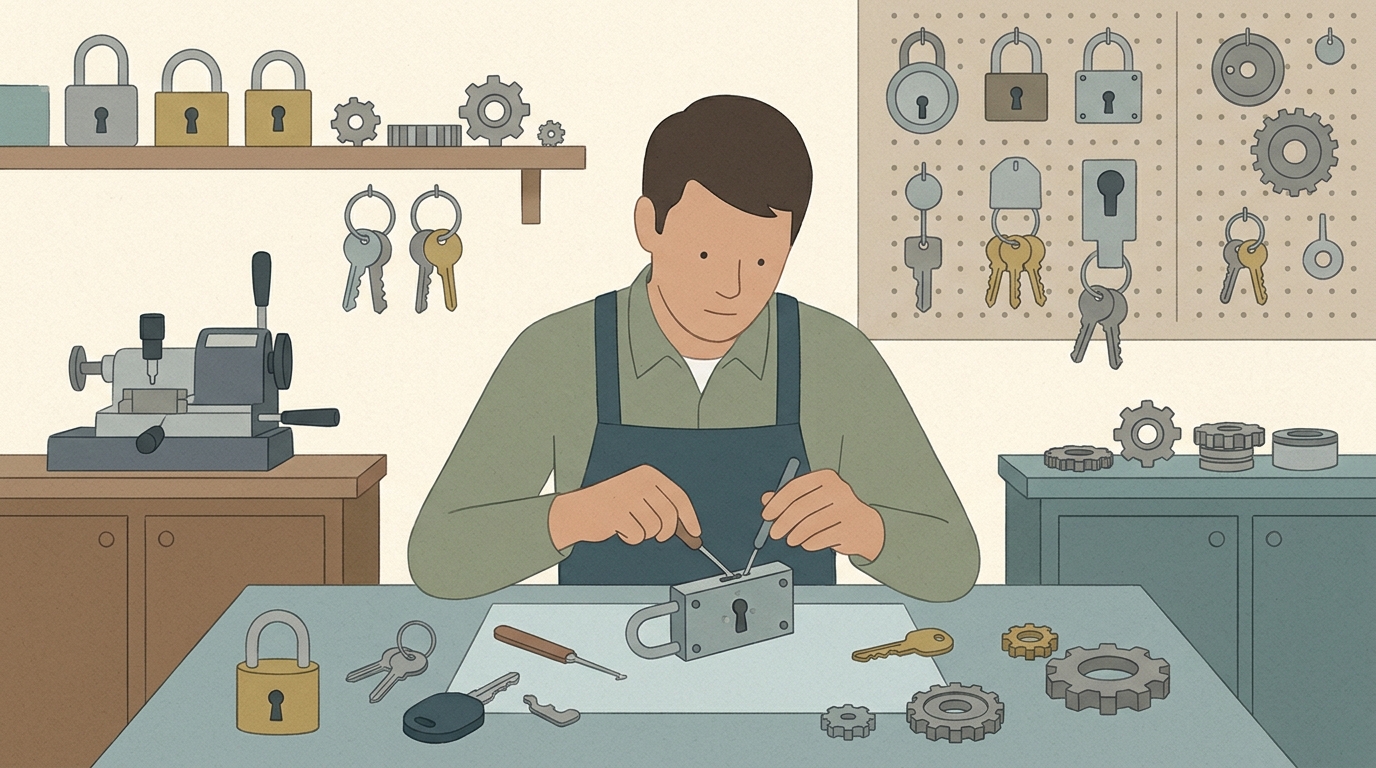
How to Become a Locksmith Without a Degree
You do not need a degree to work as a locksmith. ONET OnLine (U.S. Department of Labor) classifies locksmiths and safe repairers as Job Zone 1-2, usually requiring a high school diploma or GED plus a few days to one year of on-the-job training. What replaces a degree is supervised hours, a clean background check and, in some places, a licence or an industry certification.
Wyatt Holloway · 9 min read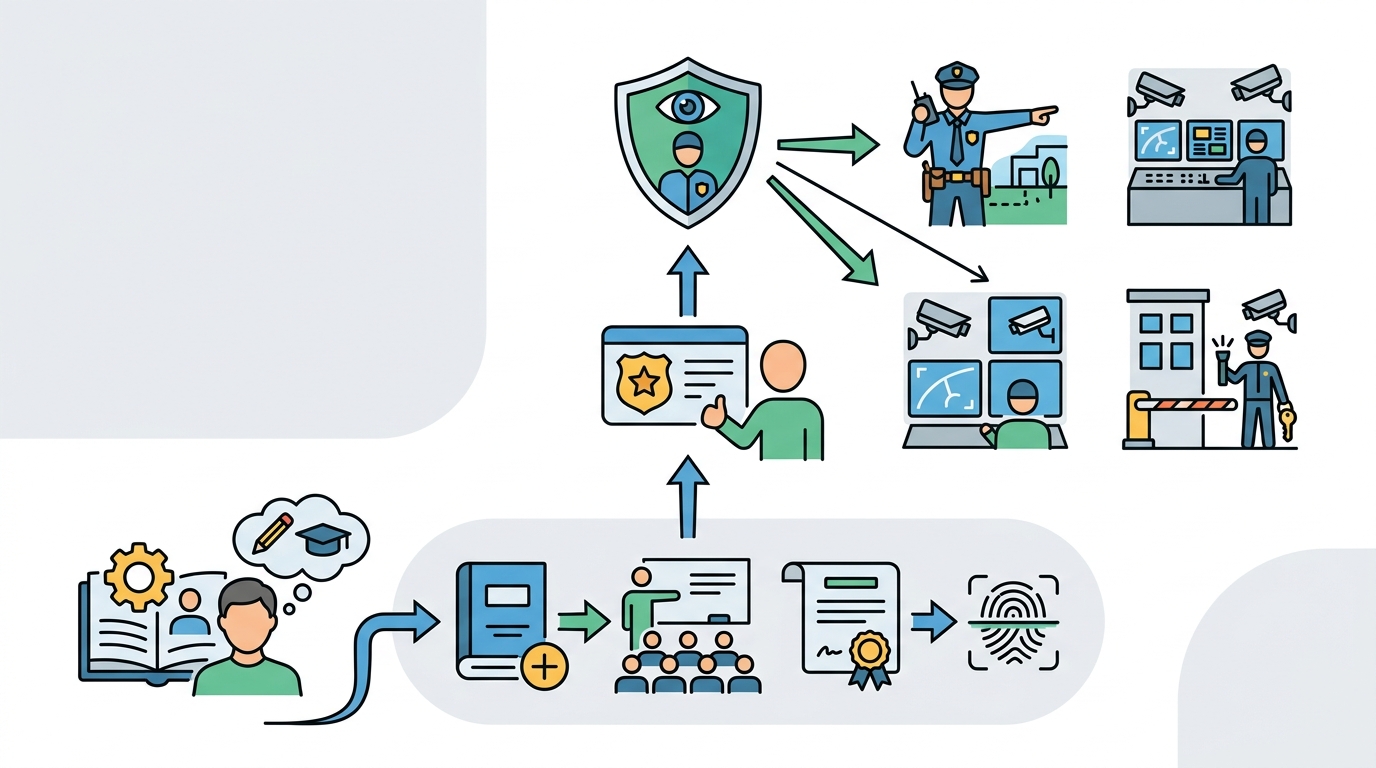
How to Become a Licensed Security Guard
Becoming a licensed security guard usually means meeting a minimum age, passing a criminal background check and completing set training hours before a government body issues you a licence or registration. In the United States, most states require guards to be licensed by the state where they work (U.S. Bureau of Labor Statistics, 2026-08-27), and in Great Britain the Security Industry Authority issues the licence instead.
Desmond Okafor · 9 min read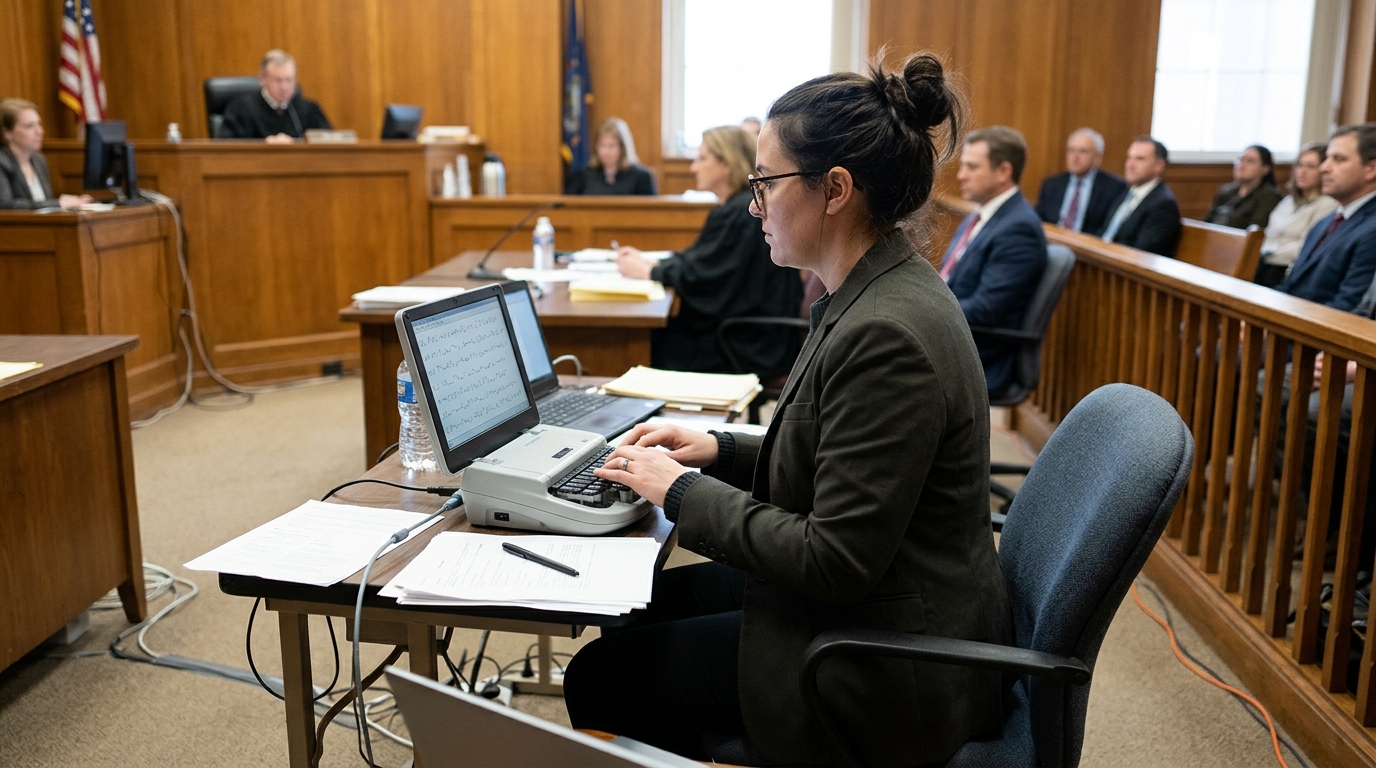
How to Become a Court Reporter
Court reporters create the official word-for-word record of legal proceedings and then produce a certified transcript from it. Three routes lead in: stenographic machine shorthand, voice writing into a sound-shielded mask, and digital recording paired with transcript production. Digital reporting has the shortest training; stenography has the longest, because of the time it takes to build speed.
Noor Abdallah · 10 min read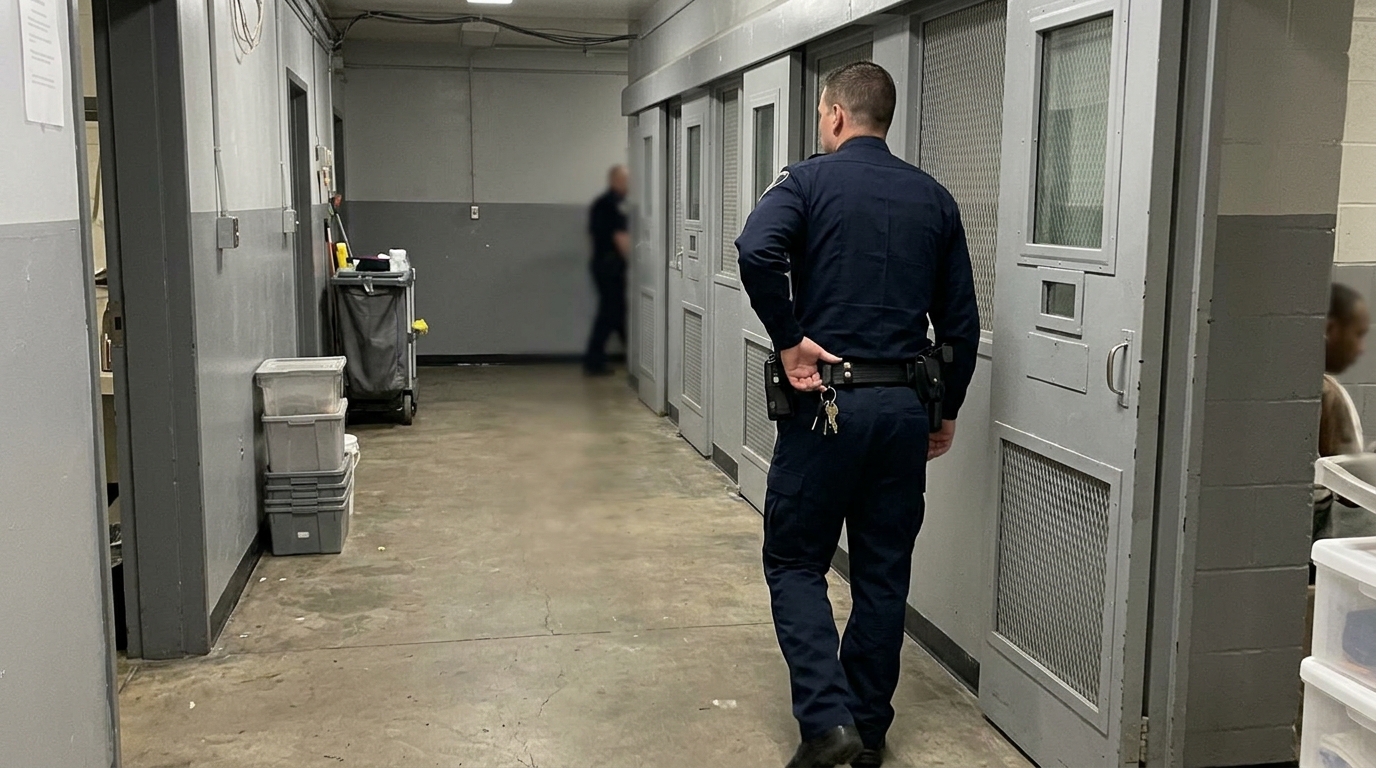
How to Become a Correctional Officer
Becoming a correctional officer usually means meeting an agency's age and background standards, passing a selection process, completing a training academy, then learning the job on the floor under experienced officers. In the United States, correctional officers and bailiffs typically need a high school diploma to enter the occupation, typically attend a training academy, and are then assigned to a facility where they receive on-the-job training (U.S. Bureau of Labor Statistics, 2025).
Wyatt Holloway · 9 min read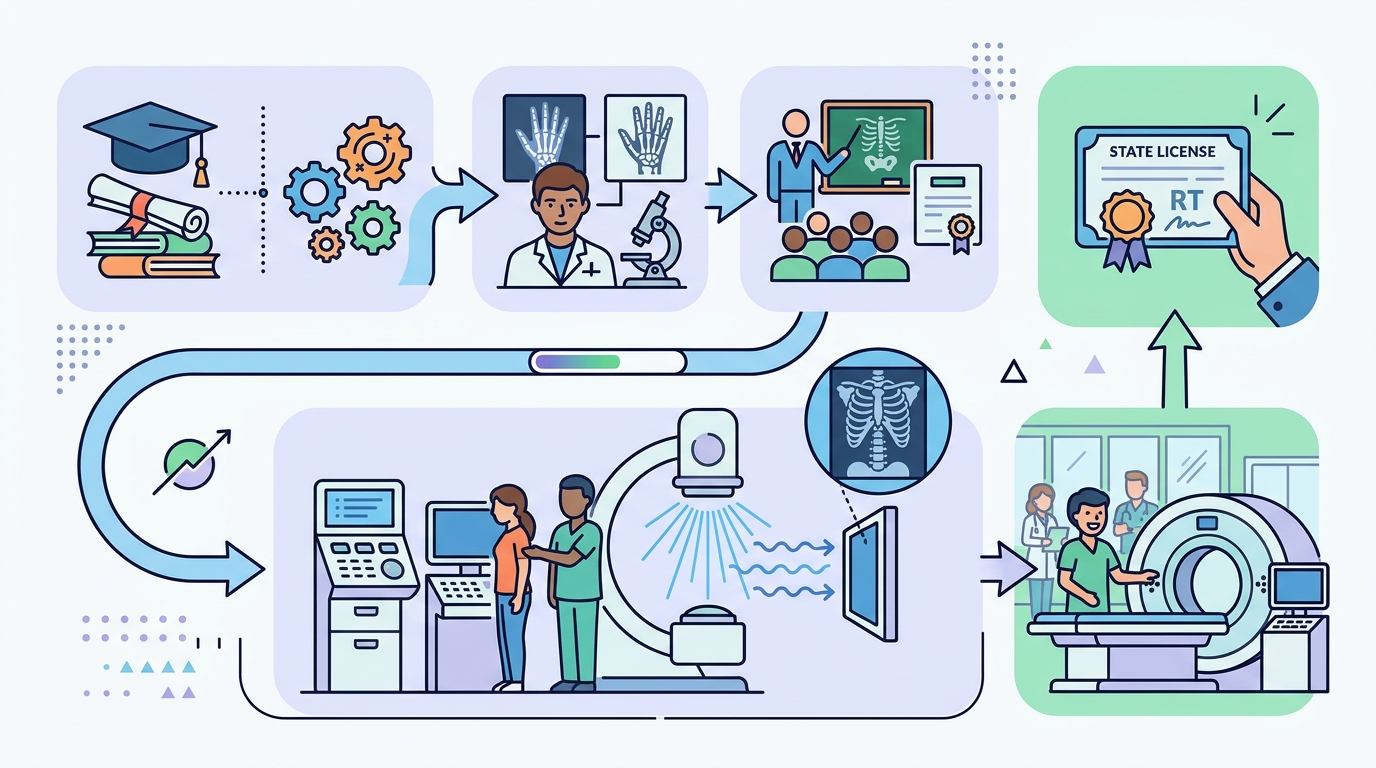
How to Become a Radiologic Technologist
Radiologic technologists produce X-ray and other diagnostic images, positioning patients and equipment, operating computerised imaging systems and keeping detailed patient records (U.S. Bureau of Labor Statistics, 2025). In the United States, the typical entry-level education is an associate's degree (U.S. Bureau of Labor Statistics, 2025), followed by certification — most commonly ARRT certification and registration in Radiography — and a state licence, which most states require (U.S. Bureau of Labor Statistics, 2025).
Marisol Tanaka-Reyes · 10 min read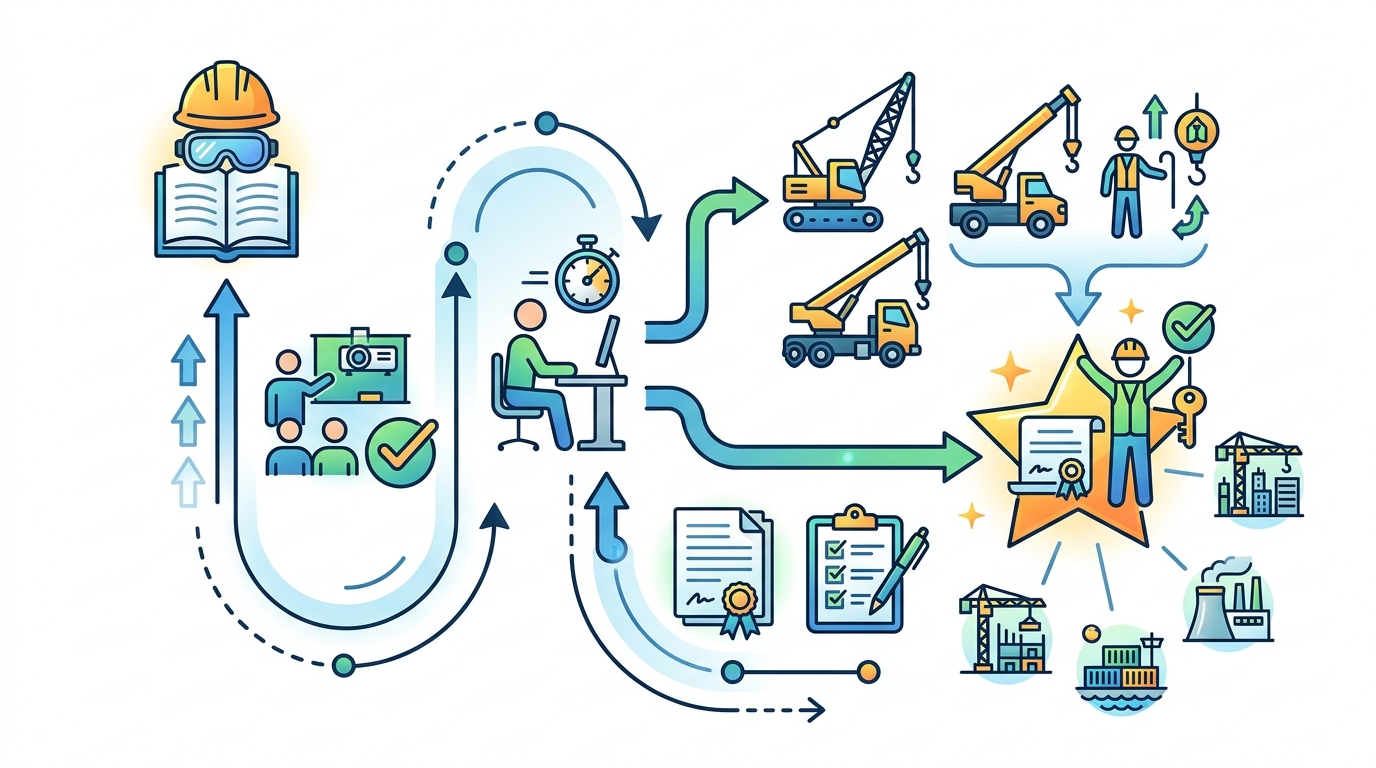
How to Get Your NCCCO Crane Operator Certification
CCO crane operator certification is awarded by the National Commission for the Certification of Crane Operators (NCCCO), a nonprofit formed in January 1995 and headquartered in Murray, Utah (Wikipedia, undated). To earn it you must be at least 18, comply with CCO's Substance Abuse Policy and Code of Ethics, pass written examinations, and pass practical examination(s) (NCCCO, January 2025).
Wyatt Holloway · 8 min read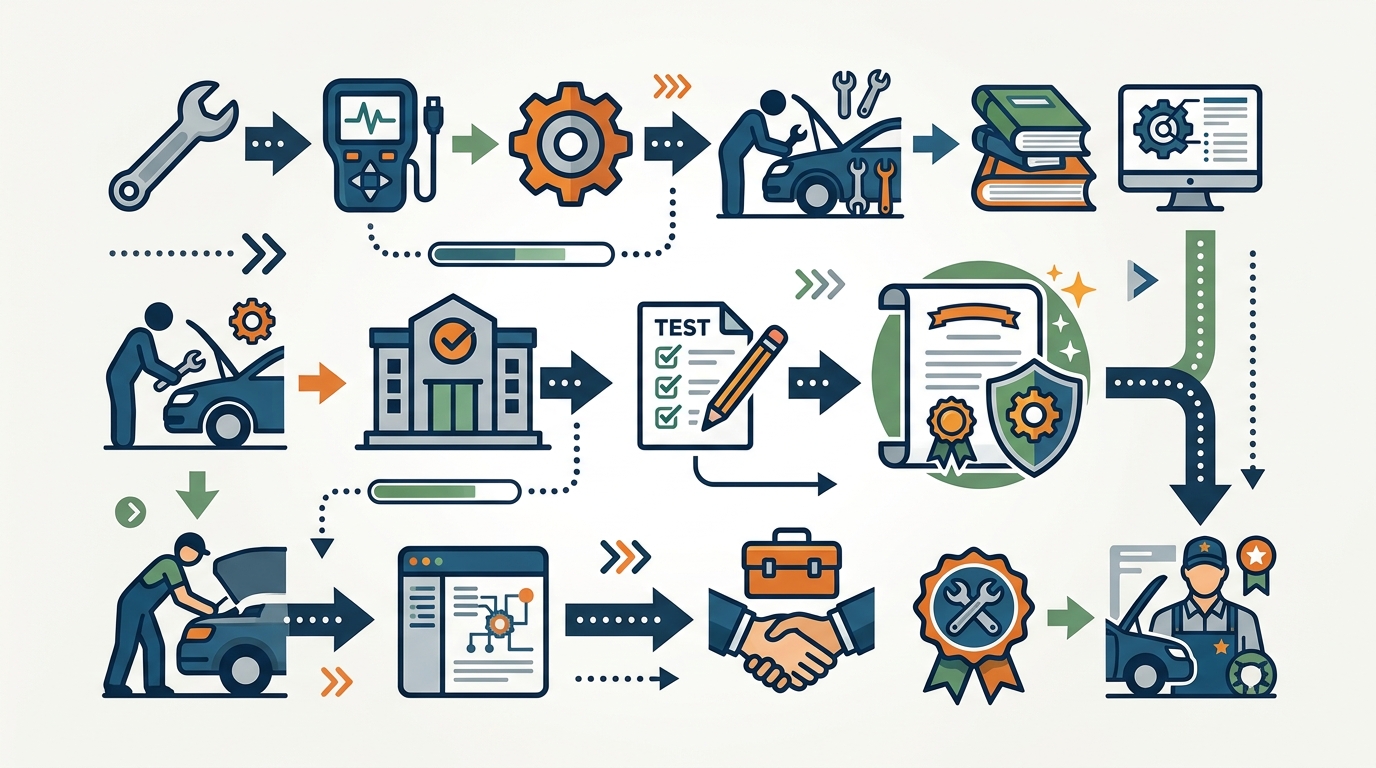
How to Get Your ASE Certification
ASE certification is a voluntary, test-based credential for automotive technicians, parts specialists, service consultants and collision estimators, awarded by ASE, the National Institute for Automotive Service Excellence, a non-profit formed on June 12, 1972 (Wikipedia, undated). To earn it you register for specific tests such as A1 – Engine Repair, pass them, and document the required hands-on work experience.
Noor Abdallah · 8 min read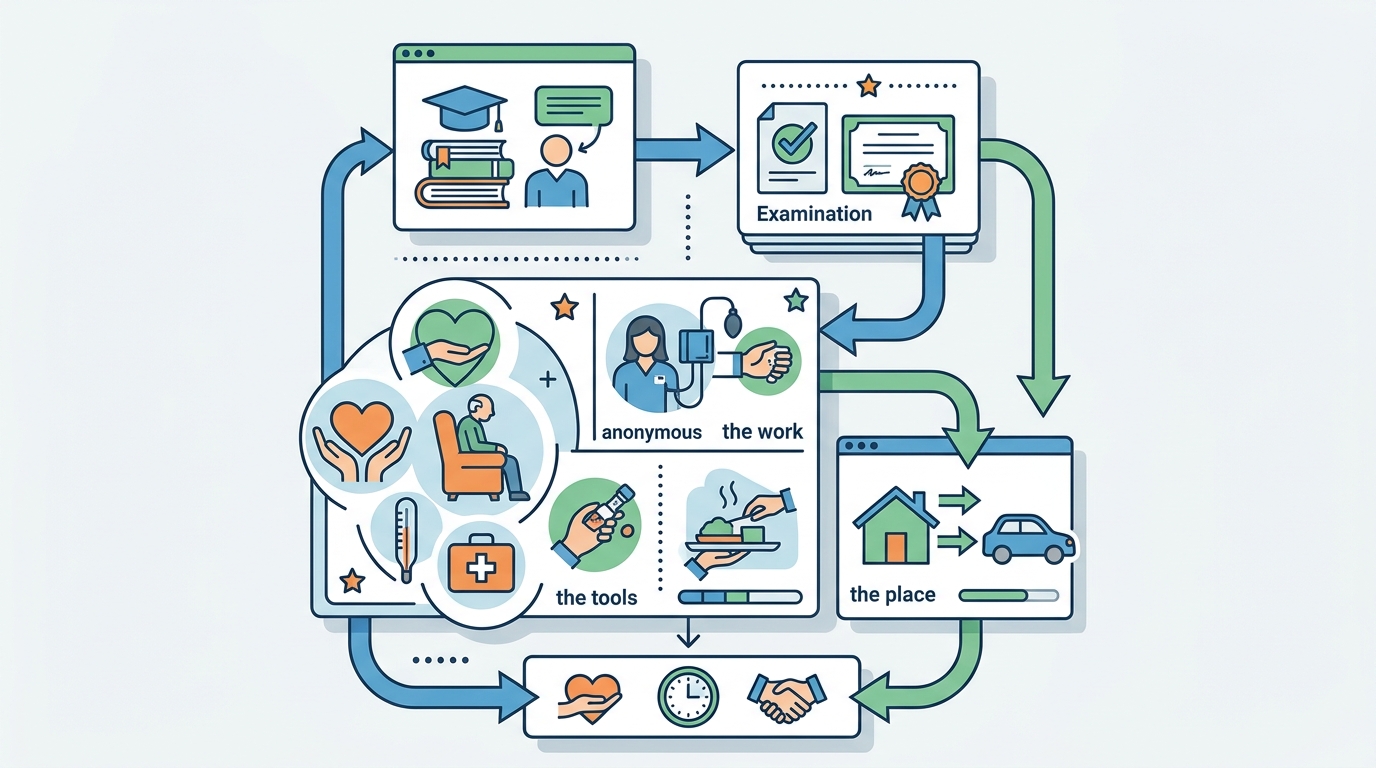
How to Become a Home Health Aide
Becoming a home health aide is one of the shorter entry paths in healthcare: the typical entry-level education is a high school diploma or equivalent, and most aides receive short-term on-the-job training with no prior experience in a related occupation (U.S. Bureau of Labor Statistics, 2025). To work for a certified home health or hospice agency, though, you must complete formal training and pass a standardized test (U.S. Bureau of Labor Statistics, 2025).
Desmond Okafor · 10 min read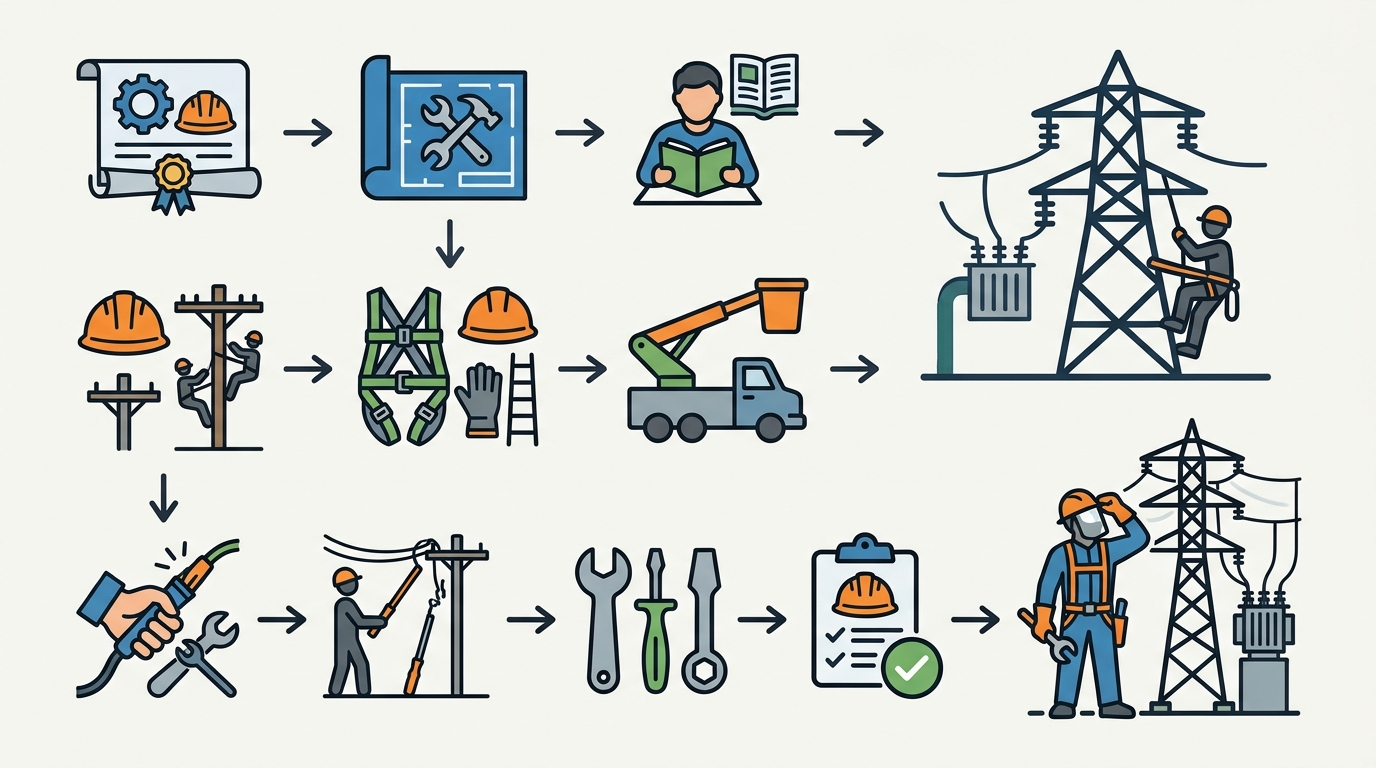
How to Start a Career as a Lineman
Linemen install, maintain and repair the overhead and underground lines that carry electricity to homes and businesses. The usual way in is an apprenticeship: the U.S. Bureau of Labor Statistics (2025) reports that apprenticeships combine on-the-job training with technical instruction and may be administered jointly by the employer and the union representing the workers, and that typical entry-level education sits below degree level.
Priya Chandrasekaran · 8 min read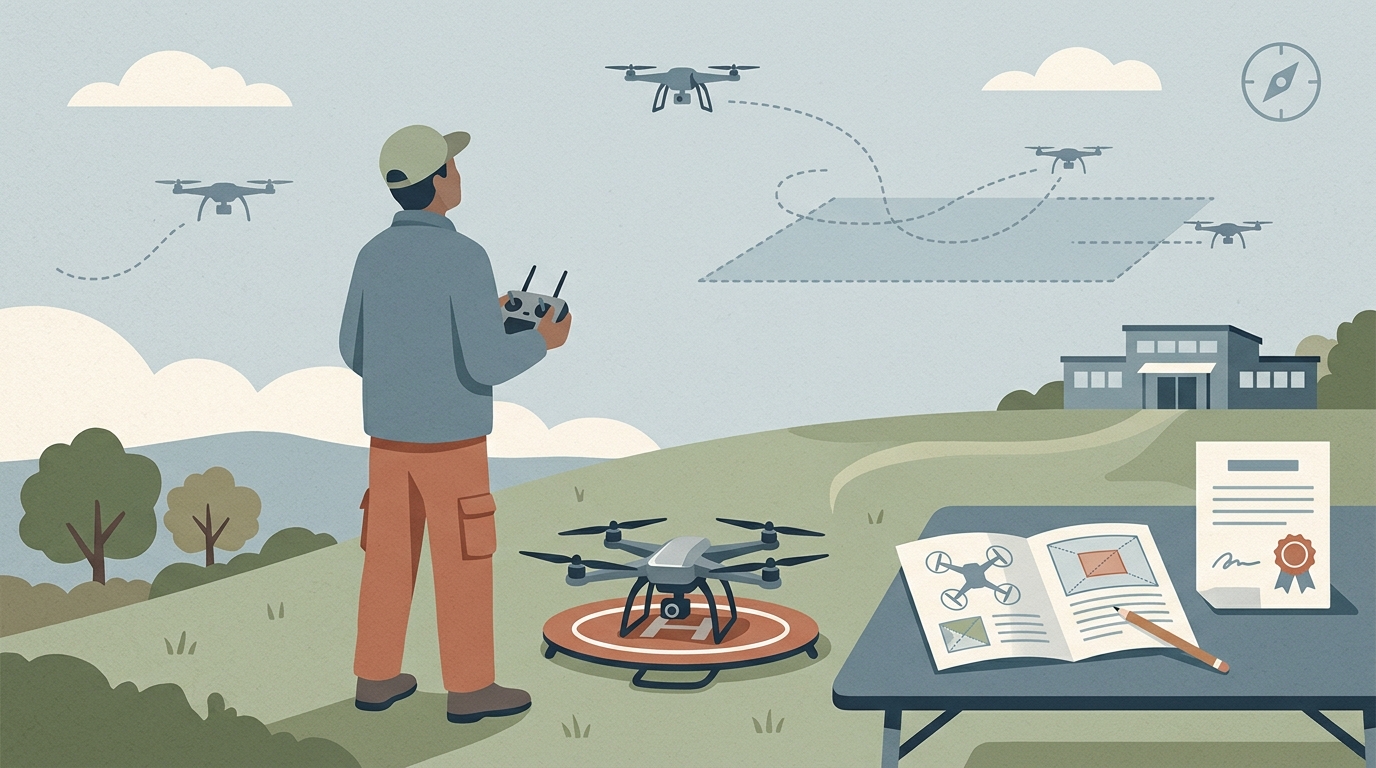
How to Get Your FAA Part 107 Drone Pilot License
The FAA Part 107 Remote Pilot Certificate is the credential you need to fly a small drone for work in the United States. You qualify by meeting basic eligibility rules, passing a written exam called the Unmanned Aircraft General – Small (UAG) (Federal Aviation Administration (FAA), 2026-06-09), applying through the FAA's IACRA system, and clearing a TSA security background check.
Marisol Tanaka-Reyes · 9 min read
How to Become a Bartender With No Experience
You can enter bartending without a degree and without prior bar work. The U.S. Bureau of Labor Statistics (2025) reports that bartenders typically need no formal education credential and no related work experience, and learn the job through short-term on-the-job training instead.
Priya Chandrasekaran · 8 min read